13:05 ▪
4
min read ▪ by
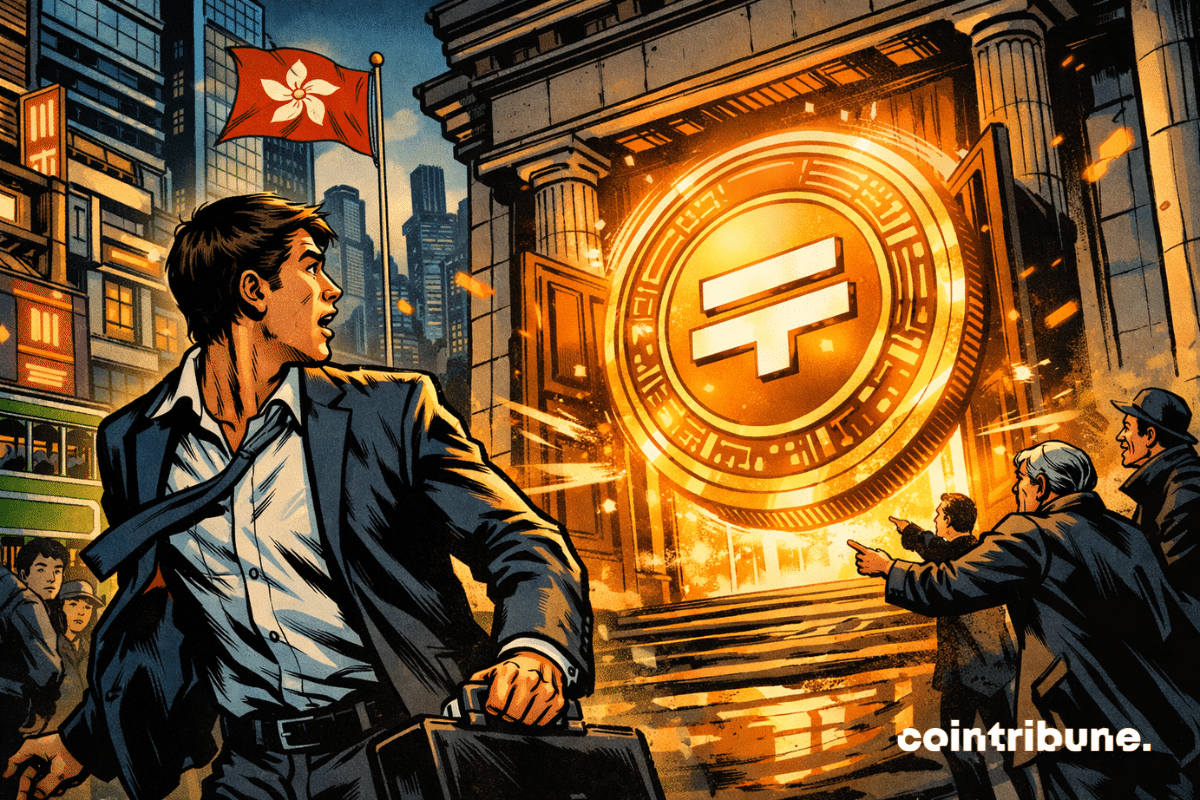
In Hong Kong, stablecoins could come under the direct influence of big banks. HSBC and Standard Chartered are set to play a central role in the heavily regulated scheme. A dual ambition is shaping up behind this development: to regain control of a key crypto market and to introduce a regulated model against past excesses. Hong Kong is moving forward in the global battle where traditional finance and blockchain are converging.
In short
- Hong Kong begins major breakthrough by entrusting stablecoins to international banking institutions.
- HSBC and Standard Chartered are among the first players to be licensed under the strict framework.
- A demanding selection process, marked by 36 applications and the priority of established players.
- This development could redraw the balance between traditional actors and crypto natives.
HSBC and Standard Chartered in the foreground
Hong Kong is preparing for a decisive step in the regulation of stablecoins with the imminent issuance of licenses to major financial institutions. HSBC and Standard Chartered are among the best-placed players in this process led by the Hong Kong Monetary Authority (HKMA).
Available information indicates that 36 companies have officially submitted their application, which demonstrates the attractiveness of the system. Selection is based on strict criteria, favoring structures capable of ensuring compliance and stability in an ever-evolving environment.
Within this framework, several important elements stand out:
- The HKMA oversees a demanding regulatory framework aimed at regulating the issuance of stablecoins;
- Licenses are expected to be granted to a limited number of entities, with priority given to established financial institutions;
- Standard Chartered has already participated in the regulatory sandbox, notably alongside Animoca Brands and HKT;
- Planned projects concern stablecoins backed by fiat currencies including the Hong Kong dollar;
- The aim of the process is to ensure a high level of compliance, particularly in the fight against money laundering.
This first wave of licenses represents a key milestone in the structuring of the local crypto market with the direct involvement of the traditional banking sector.
Clear strategy: regulate flows and structure the market
Beyond the selection of players, Hong Kong shows a clear line: structuring the stablecoin market around a robust regulatory framework. With the collected on-chain data, authorities are trying to limit the risks associated with the speed of blockchain transactions and prevent potential financial imbalances. As the sources indicate, this vigilance fits the objective of stability and counters instruments capable of moving capital at high speed. The legal framework in force for several days strictly regulates the issuance and management of this property.
This approach contrasts with that of mainland China, where some cryptocurrency-related activities are prohibited. Hong Kong takes a more open approach while maintaining tight control over infrastructure.
The choice to prioritize banks fits into this logic: their capitalization, regulatory experience and credibility are seen as guarantees for widespread deployment. This dynamic expresses the global ambition to build the city as a global cryptocurrency center from 2022.
With the release of the first licenses, the market could evolve towards an increased dominance of stablecoins issued by financial institutions. This shift calls into question the future of native crypto players and the balance between innovation and regulation. Hong Kong, betting on close integration between traditional finance and blockchain, is opening a transitional path whose effects could quickly cross its borders.
Maximize your Cointribune experience with our “Read and Earn” program! Earn points for every article you read and get access to exclusive rewards. Register now and start reaping the benefits.

A graduate of Sciences Po Toulouse and holder of the blockchain consultant certification issued by Alyra, I joined the Cointribune adventure in 2019. Convinced of the potential of blockchain to transform many sectors of the economy, I committed myself to raising awareness and informing the general public about this ever-evolving ecosystem. My goal is to enable everyone to better understand blockchain and take advantage of the opportunities it offers. I strive every day to provide an objective analysis of current events, decipher market trends, convey the latest technological innovations, and put into perspective the economic and social issues of this ongoing revolution.
DISCLAIMER OF LIABILITY
The views, thoughts and opinions expressed in this article are solely those of the author and should not be construed as investment advice. Before making any investment decision, do your own research.