16:05 ▪
4
min read ▪ by
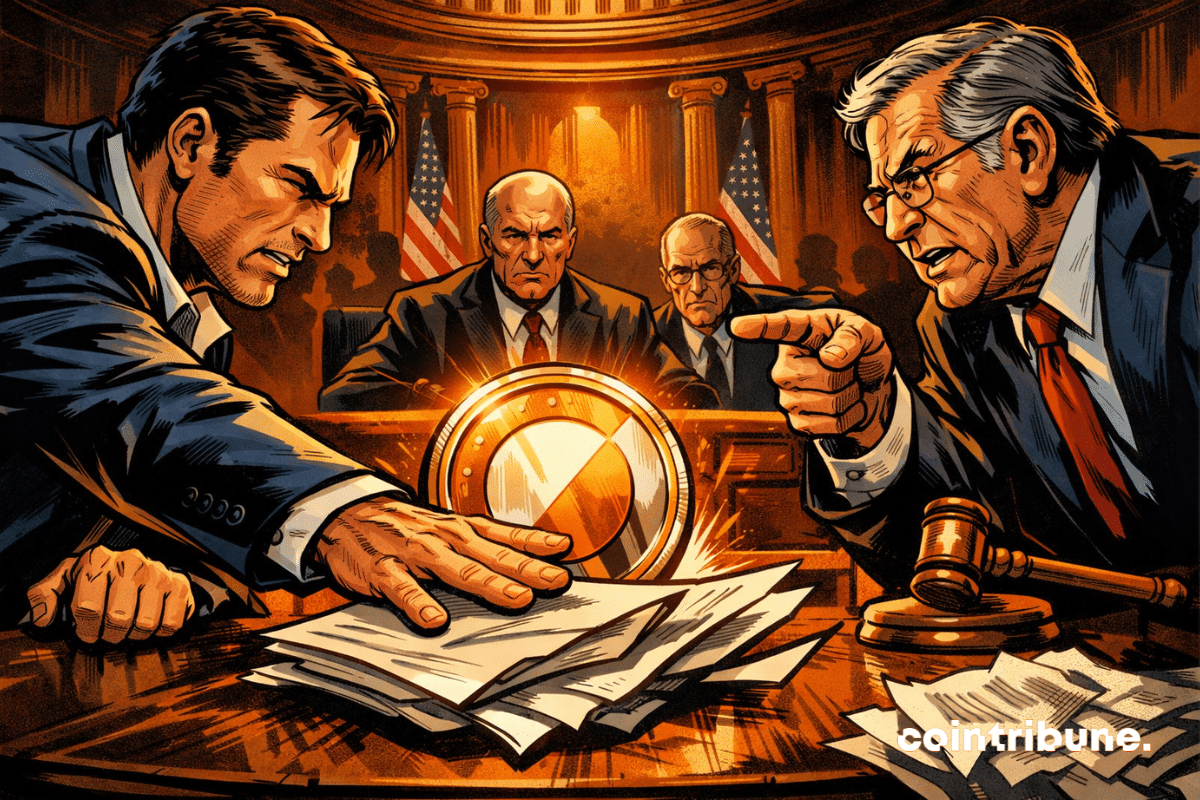
Coinbase puts pressure back on Washington. The platform again opposes the stablecoin compromise, blocking the progress of a key text in the US Senate. On the surface, the debate is about a technical detail: yield. In reality, this is a strategic battle between banks, exchanges and political power, the outcome of which will reshape the digital dollar economy.
In short
- Coinbase opposes Senate compromise on stablecoin revenue.
- The platform is concerned that the text would prohibit exchanges from paying out returns to users.
- Banks perceive these returns as a risk of deposit outflow.
- The White House held several meetings without reaching an agreement.
Coinbase re-ignites stablecoin impasse in US Senate
Coinbase informed several senators on Monday that it cannot support the latest compromised version of the Crypto Market Structure Act.
The disagreement, which has been reported by several specialized media, still revolves around the same question: who can pay stablecoin revenues and under what conditions?
The crux of the problem is here. A version of the text would prohibit exchanges from redistributing revenue from stablecoins held by their clients. Restrictions designed to appease banks worried about the gradual migration of savings out of the traditional banking system.
For Coinbase, this lock changes everything. Earning on stablecoins is not just a marketing bonus, it is a pillar of the cryptocurrency business model. It enables competition with traditional savings accounts, attracts liquidity and makes the tokenized dollar a truly useful tool for everyday use.
This is where the debate takes on a completely different dimension. Because behind the word “yield,” Washington is actually deciding a much deeper issue.
Should stablecoins remain an extension of the banking system or establish themselves as a real alternative?
If the Senate sides with the banks, it will limit the appeal of stablecoins to the general public and, in turn, slow the mass adoption of the digital dollar.
Strategic crypto law, but still trapped by the lobby
The paradox is striking: everyone in Washington says they want to finally give cryptocurrencies a clear framework. The House of Representatives has already passed the July 2025 CLARITY Act by a vote of 294 to 134. The goal of the text is simple: better divide the roles between the SEC and the CFTC and end the regulatory uncertainty that has lasted too long.
However, the thing got stuck on the ground. The stablecoin issue has already caused several hiccups to the point that the White House had to organize several meetings to try to reach an agreement between the banks and the crypto industry. No success so far.
A bipartisan duo of Senators Thom Tillis and Angela Alsobrooks is trying to keep the text alive. For her part, Senator Cynthia Lummis is unequivocal: without a quick compromise, the midterm election calendar could bury the reform for good.
“We cannot wait until 2030 to have another chance“, she continued
This matter goes far beyond Coinbase. At stake is the tokenized dollar’s place in America’s finances tomorrow. Limiting stablecoins today risks eroding the advantage the United States has built up for years, just as asset tokenization, on-chain payments, and programmable finance are moving from concepts to reality.
Maximize your Cointribune experience with our “Read and Earn” program! Earn points for every article you read and get access to exclusive rewards. Register now and start reaping the benefits.

I am passionate about Bitcoin, I love exploring the intricacies of blockchain and cryptocurrency and sharing my discoveries with the community. My dream is to live in a world where privacy and financial freedom are guaranteed for everyone, and I firmly believe that Bitcoin is the tool that can make this possible.
DISCLAIMER OF LIABILITY
The views, thoughts and opinions expressed in this article are solely those of the author and should not be taken as investment advice. Before making any investment decision, do your own research.