12:05 p.m
5
min read ▪ by
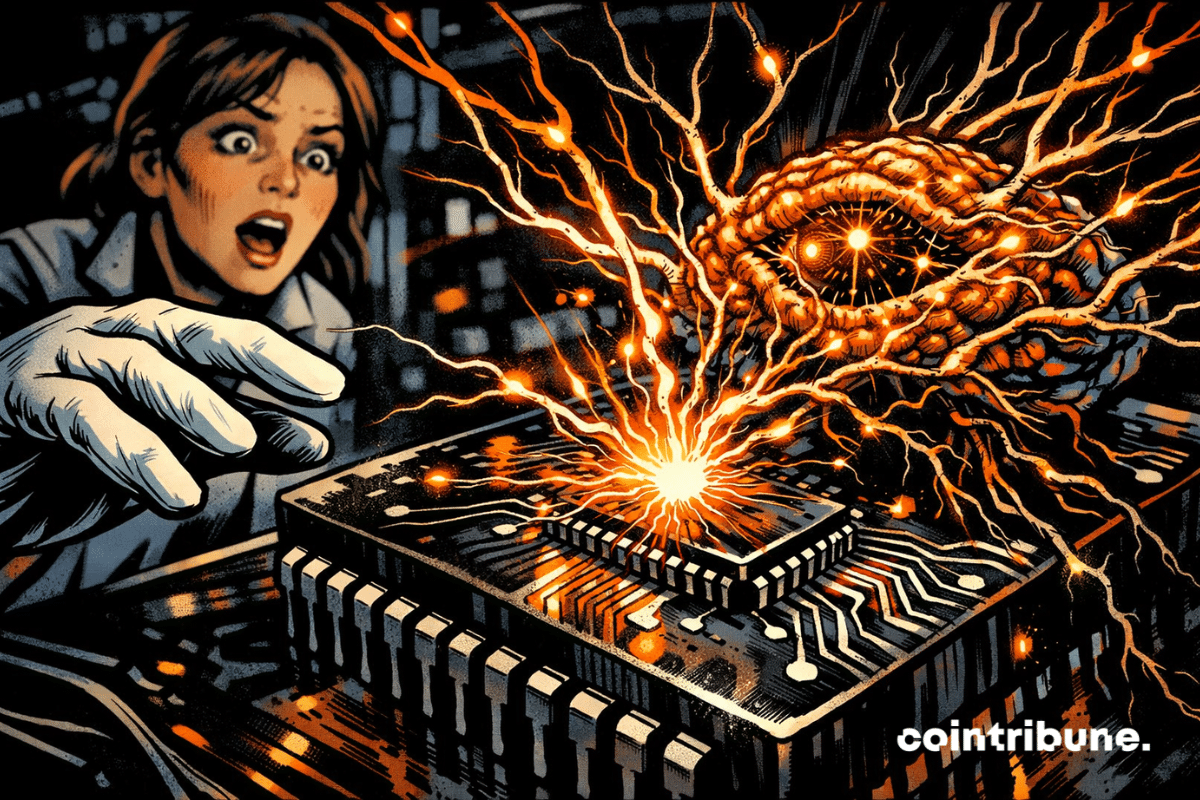
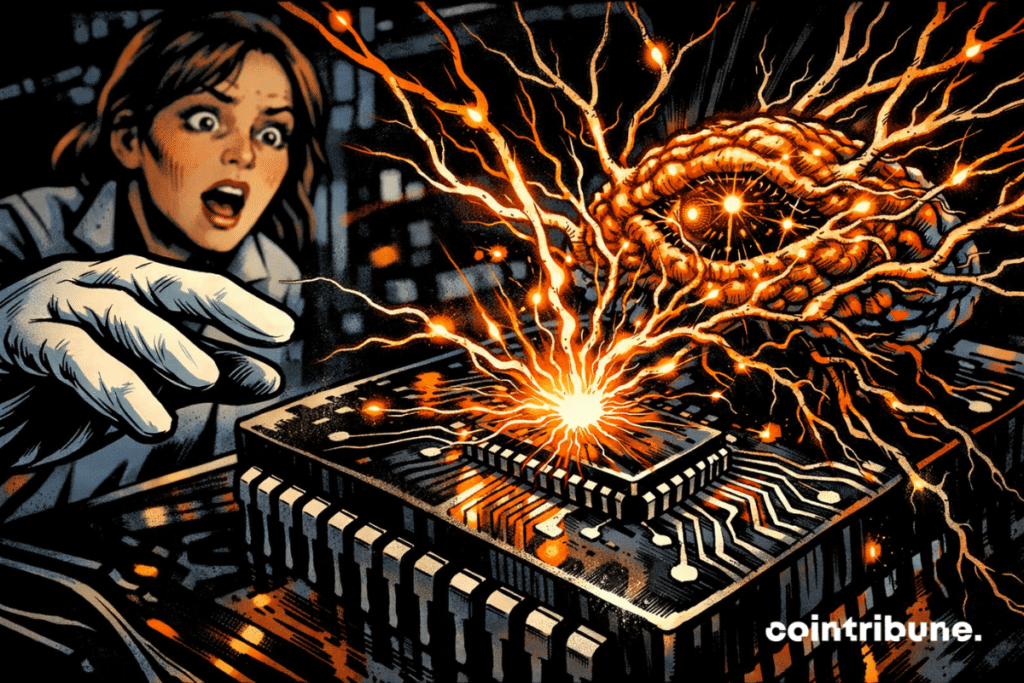
AI just crossed a weird line. Cortical Labs claims to have connected living human neurons to a silicon chip with the ambition of creating a new form of computing, halfway between a classic machine and biological tissue. This is not just a trick. It’s a serious path to more sustainable, more flexible computing, and potentially more confusing than anything the industry has shown so far.
In short
- Cortical Labs is pushing artificial intelligence to a hitherto marginal but very serious biological frontier.
- The real stake is not Doom, but the idea of a living computer: sustainable and adaptable.
- The promise is strong, but ethical questions move as fast as technology.
AI is no longer based solely on silicon
Cortical Labs is no longer talking about pure AI software after the American restriction on the export of AI chips. The company touts a system where real human brain cells are grown, attached to a chip, and then stimulated to learn simple tasks. According to the story presented, these neurons were trained to play Doom in one week. The symbol is powerful. It’s not about the game itself, it’s about the adaptability of the system.
What is striking is the change in logic. Over the years, modern AI has advanced with more power, more data, and more data centers. Here the idea is almost the opposite. Instead of stacking GPUs, the goal is to take advantage of the natural efficiency of living matter. The human brain is still a brutal benchmark in terms of energy consumption and plasticity.
So this announcement should be understood as a signal. Artificial intelligence is no longer just a battle between models, chips and giant clouds. Another path appears. It remains experimental, limited and still far from mass use. But it is already changing the debate.
Why is this progress so interesting?
The first point that sparks interest in this biological AI is energy. According to information on the CL1 system, a 30-unit rack would remain in a very low power envelope compared to the vast infrastructures mobilized today to train and operate AI models. That’s where the topic gets serious. The energy costs of AI are now an industrial, economic and political issue.
The second point is adaptability. An artificial neural network must be trained by calculation. A live neural network learns differently. It reacts, reorganizes, stabilizes or destabilizes according to stimuli. This difference can open the door to hybrid systems that are more economical and flexible, able to solve certain problems without copying the operation of current architectures.
Finally, there is the accessibility of the model. With its “Wetware as a Service” idea, Cortical Labs wants to offer remote access to this type of biological infrastructure. In other words, the company is trying to turn living neurons into a consumable computing resource like a cloud service. That’s exactly what makes this announcement feel like a twist. Computer technology is no longer just for sale. Living matter organized to count is sold.
Between industrial promise and ethical discomfort
Discomfort doesn’t come from science fiction fantasy. It is based on reality. When human cells from biological samples are used to perform tasks, even basic ones, one question immediately arises: how far can one go without pushing the moral line? So far we are talking about very simple systems. But the mere fact that this question already exists shows that the ground is sensitive.
One must also avoid getting carried away. Making neurons play Doom is not creating consciousness. It also doesn’t mean that a machine “thinks” like a human. The risk here is not only technological. It is narrative. The industry loves spectacular demonstrations. Still, the demonstration is not yet an industrial revolution.
That said, the concerns are not absurd. If this form of artificial intelligence advances, it could force regulators, researchers and companies to rethink entire frameworks. The status of living matter, ownership of tissues, commercial use, responsibility in the event of a mistake: it all ends up back on the table. And this time the debate will not be theoretical.
Maximize your Cointribune experience with our “Read and Earn” program! Earn points for every article you read and get access to exclusive rewards. Register now and start reaping the benefits.

Fascinated by Bitcoin since 2017, Evariste has been constantly researching the topic. While his initial interest was in trading, he now actively seeks to understand all developments focused on cryptocurrencies. As an editor, he strives to consistently produce high-quality work that reflects the state of the industry as a whole.
DISCLAIMER OF LIABILITY
The views, thoughts and opinions expressed in this article are solely those of the author and should not be construed as investment advice. Before making any investment decision, do your own research.